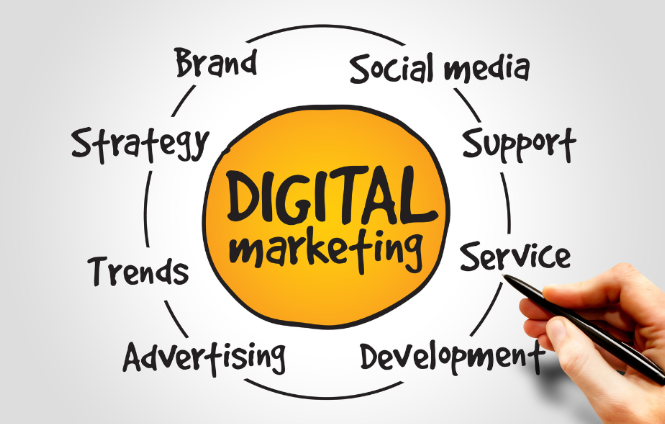
Create high-quality internet marketing content

Create high-quality internet marketing content

Here are some tips for creating high-quality internet marketing content:

  • Choose a topic that is relevant to your target audience. What are they interested in? What do they want to learn about?
  • Do your research. Make sure you have all the information you need to write about your topic.
  • Write in a clear and concise style. Use simple language that your target audience can understand.
  • Use images and videos to break up your text and make your content more visually appealing.
  • Proofread your content before you publish it. Make sure there are no errors in grammar or spelling.

By following these tips, you can create high-quality internet marketing content that will attract and engage your target audience.

Here are some additional tips:

  • Create content that is original and engaging. Don’t just regurgitate information that is already available online.
  • Be consistent with your posting schedule. Post new content regularly to keep your audience engaged.
  • Promote your content on social media and other channels. Share your content with your target audience and encourage them to share it with their friends.
  • Track your results and adjust your strategy as needed. Measure how your content is performing and make changes to your strategy as needed.

Image: Canva Pro

How to measure your internet marketing results.

How to measure your internet marketing results.

There are many ways to measure the results of your internet marketing campaigns. Here are a few tips:

  • Track website traffic. One of the best ways to measure the success of your internet marketing campaigns is to track website traffic. You can use Google Analytics to see how many people are visiting your website and where they are coming from.
  • Track leads and sales. If you are selling products or services online, you can track leads and sales to see how well your internet marketing campaigns are performing. You can use a CRM system to track leads and sales.
  • Track social media engagement. If you are using social media to promote your business, you can track social media engagement to see how well your campaigns are performing. You can use social media analytics tools to track likes, shares, and comments.
  • Track brand awareness. If you are trying to increase brand awareness, you can track brand awareness to see how well your internet marketing campaigns are performing. You can use surveys or interviews to ask people about your brand.
  • Track return on investment (ROI). The ROI of your internet marketing campaigns is the amount of money you make from your campaigns compared to the amount of money you spend on them. You can calculate ROI by dividing your profits by your costs.

By tracking these metrics, you can get a good sense of how well your internet marketing campaigns are performing. You can then use this information to make changes to your campaigns and improve your results.

Image: Canva Pro

The Benefits of Using the WordPress Website Platform

The Benefits of Using the WordPress Website Platform

WordPress has become a dominant force in web development, and for good reason. Its widespread popularity stems from a robust combination of user-friendliness, flexibility, and a supportive community. Here’s a breakdown of the key benefits of using the WordPress platform:   

1. User-Friendly Interface:

  • WordPress boasts an intuitive dashboard, making it accessible even for those with limited technical expertise.   
  • Creating and managing content, from blog posts to full-fledged pages, is straightforward.   
  • The Gutenberg block editor simplifies page layout, allowing users to visually construct their web pages. 

2. Flexibility and Customization:

  • WordPress offers a vast library of themes, providing diverse design options to suit any website’s aesthetic.   
  • Plugins extend WordPress’s functionality, enabling users to add features like e-commerce capabilities, contact forms, and SEO tools.   
  • This level of customization makes WordPress suitable for a wide range of websites, from personal blogs to complex business sites.   

3. Open-Source and Community Support:

  • As an open-source platform, WordPress benefits from a global community of developers who contribute to its ongoing improvement.   
  • This community provides extensive support through forums, tutorials, and online resources.   
  • Regular updates ensure that WordPress remains secure and up-to-date with the latest web standards.  

4. SEO-Friendly:

  • WordPress is built with SEO best practices in mind, providing a solid foundation for search engine optimization.   
  • Numerous SEO plugins, such as Yoast SEO, further enhance a website’s visibility in search results.   
  • This helps website owners to gain organic traffic.   

5. Mobile Responsiveness:

  • In today’s mobile-first world, WordPress themes are designed to be responsive, ensuring that websites look and function flawlessly on all devices.   
  • This provides a consistent user experience for visitors, regardless of whether they’re using a desktop, tablet, or smartphone.   

6. E-commerce Capabilities:

  • Plugins like WooCommerce transform WordPress into a powerful e-commerce platform.   
  • This allows businesses to easily create and manage online stores, process payments, and track inventory.   
  • WordPress itself is free to download and use.   
  • While premium themes and plugins are available, many free options provide excellent functionality.   
  • This makes WordPress a cost-effective solution for individuals and businesses on a budget.

In essence, WordPress provides a powerful and versatile platform that empowers users to create and manage their online presence with ease.   

Image: Canva Pro

Basic internet marketing tips

marketing tips
  • Define your goals. What do you want to achieve with your internet marketing campaign? Do you want to increase brand awareness, generate leads, or drive sales? Once you know your goals, you can develop a strategy to achieve them.
  • Target your audience. Who are you trying to reach with your internet marketing campaign? Identify your target audience and tailor your content and messaging to them.
  • Create high-quality content. Your content is the foundation of your internet marketing campaign. Make sure it is well-written, engaging, and informative.
  • Use social media. Social media is a powerful tool for internet marketing. Use it to connect with your target audience, share your content, and build relationships.
  • Optimize your website. Your website should be easy to use and navigate. Make sure it is optimized for search engines so that people can find it easily.
  • Use search engine optimization (SEO). SEO is the process of optimizing your website so that it ranks higher in search engine results pages (SERPs). This will help you get more traffic to your website.
  • Use pay-per-click (PPC) advertising. PPC advertising is a way to get your website to the top of the SERPs for specific keywords. This can help you get more traffic to your website and generate leads.
  • Measure your results. It is important to measure the results of your internet marketing campaign so that you can see what is working and what is not. This will help you adjust your strategy as needed.

These are just a few internet marketing tips. There are many other things you can do to improve your online marketing efforts. By following these tips, you can increase your chances of success and achieve your goals.

Image: Canva Pro

Marketing Your Real Estate Business

Marketing Your Real Estate Business

Real estate marketing is the process of promoting your real estate business and its services to potential clients. The goal of real estate marketing is to generate leads, which are potential clients who are interested in buying or selling a home.

There are many different ways to market your real estate business. Some common real estate marketing methods include:

  • Online marketing: This includes using social media, search engine optimization (SEO), and online advertising to promote your business.
  • Traditional marketing: This includes using print, radio, and television advertising to promote your business.
  • Public relations: This includes getting press coverage for your business and its services.
  • Networking: This includes attending real estate events and meeting potential clients in person.

The best way to market your real estate business will depend on your budget, your target audience, and your goals. However, by using a combination of online and traditional marketing methods, you can generate leads and grow your real estate business.

Here are some specific tips for marketing your real estate business to generate new leads:

  • Create a strong online presence. Make sure your website is up-to-date and includes all of the information potential clients need to know about your business. You should also be active on social media and use it to connect with potential clients.
  • Use SEO to improve your website’s ranking in search engine results pages (SERPs). This will help potential clients find your website when they are searching for real estate services in your area.
  • Run online advertising campaigns. This can be a great way to reach a large audience of potential clients.
  • Create valuable content. This could include blog posts, articles, or videos that provide information about real estate or the buying and selling process.
  • Offer free consultations. This is a great way to connect with potential clients and learn more about their needs.
  • Partner with other businesses. This could involve cross-promoting each other’s businesses or offering referral bonuses.
  • Get involved in your community. This could include volunteering at a local school or participating in a neighborhood cleanup.

By following these tips, you can generate new leads and grow your real estate business.

Image: Canva Pro

What Skills Are Needed for Digital Marketing?

What Skills Are Needed for Digital Marketing?

The digital marketing landscape is constantly evolving, so it’s important for digital marketers to have a wide range of skills. Some of the most essential skills for digital marketers include:

  • Data analysis: Digital marketers need to be able to collect and analyze data to track the performance of their campaigns and make informed decisions about how to improve them.
  • Content creation: Digital marketers need to be able to create engaging content that will attract and retain customers. This content can take many forms, including blog posts, articles, social media posts, videos, and infographics.
  • Search engine optimization (SEO): SEO is the process of improving the visibility of a website or web page in search engine results pages (SERPs). Digital marketers need to understand the basics of SEO and how to implement SEO best practices.
  • Pay-per-click (PPC) advertising: PPC advertising is a form of online advertising where businesses pay each time someone clicks on their ad. Digital marketers need to understand how to create effective PPC campaigns that will generate leads and sales.
  • Social media marketing: Social media marketing is the use of social media platforms to connect with customers and promote products or services. Digital marketers need to be familiar with the different social media platforms and how to use them effectively.
  • Email marketing: Email marketing is a form of direct marketing that involves sending emails to a list of subscribers. Digital marketers need to know how to create effective email campaigns that will generate opens, clicks, and conversions.
  • Web analytics: Web analytics is the process of collecting and analyzing data about website visitors. Digital marketers use web analytics data to track the performance of their website and make improvements to increase traffic and conversions.
  • Creativity: Digital marketers need to be creative in order to come up with new and innovative ways to reach their target audience.
  • Problem-solving: Digital marketers need to be able to identify and solve problems quickly and effectively.
  • Communication: Digital marketers need to be able to communicate effectively with a variety of stakeholders, including clients, colleagues, and customers.

In addition to these essential skills, digital marketers may also need to have specific skills in areas such as graphic design, video editing, or web development. The specific skills required for a digital marketing role will vary depending on the size and industry of the company, as well as the specific responsibilities of the role.

If you’re interested in a career in digital marketing, it’s important to develop the skills and knowledge that employers are looking for. There are a number of ways to do this, including taking online courses, attending workshops, and reading industry publications. You can also gain experience by working on personal projects or volunteering for a nonprofit organization.

With the right skills and experience, you can build a successful career in digital marketing.

Image: Canva Pro

Social Media Marketing with Stories

Social Media Marketing with Stories

Social media stories are a great way to engage with your audience and share your brand’s story. They’re a quick and easy way to share content, and they’re often more visually appealing than traditional posts.

Here are some tips for using social media stories for marketing:

  • Be consistent. Post stories on a regular basis to keep your audience engaged.
  • Use visuals. People are more likely to engage with stories that are visually appealing. Use photos, videos, and GIFs to tell your story.
  • Be creative. Get creative with your stories and experiment with different formats. This will help you stand out from the crowd.
  • Ask questions. Ask your audience questions to get them involved in the conversation. This is a great way to generate engagement and feedback.
  • Run contests and giveaways. Contests and giveaways are a great way to generate excitement and attract new followers.
  • Use analytics. Most social media platforms offer analytics tools that can help you track the performance of your stories. Use this data to optimize your efforts and get the most out of your stories.

Social media stories are a powerful tool that can help you connect with your audience and grow your business. By following these tips, you can use stories to tell your brand’s story and reach a wider audience.

Here are some examples of how businesses are using social media stories for marketing:

  • Nike uses stories to share behind-the-scenes content of its athletes and products. This helps Nike to connect with its audience on a personal level and build brand loyalty.
  • Starbucks uses stories to share seasonal promotions and new menu items. This helps Starbucks to stay top-of-mind with its customers and drive sales.
  • Taco Bell uses stories to share funny and engaging content that its audience can relate to. This helps Taco Bell to build a positive brand image and connect with its audience on a deeper level.

These are just a few examples of how businesses are using social media stories for marketing. If you’re looking for a way to connect with your audience and grow your business, social media stories are a powerful tool that you should consider using.

Image: Canva Pro

How to Add a WordPress Page

How to Add a WordPress Page

Adding a page in WordPress is a straightforward process. Here’s a breakdown of the steps:

1. Log in to Your WordPress Dashboard:

  • Access your WordPress site’s admin area by adding “/wp-admin” to your website’s URL (e.g., yourwebsite.com/wp-admin).
  • Enter your username and password.

2. Navigate to Pages:

  • In the left-hand menu of your WordPress dashboard, find “Pages.”
  • Click on “Add New.”

3. Add a Title and Content:

  • You’ll see a title field at the top of the page editor. Enter the title of your new page.
  • Below the title field, you’ll find the content editor (Gutenberg block editor). This is where you’ll add the content of your page.
  • Use the block editor to add text, images, videos, and other media.

4. Customize Your Page (Optional):

  • Page Attributes: On the right-hand side of the editor, you can find options to set a parent page, choose a template, and adjust the order of your pages.
  • Featured Image: You can also add a featured image to your page.
  • Discussion: You can choose to allow or disallow comments on your page.

5. Preview and Publish:

  • Before publishing, click the “Preview” button to see how your page will look.
  • If you’re satisfied with the preview, click the “Publish” button to make your page live.

Key Considerations:

  • Gutenberg Block Editor: WordPress uses the Gutenberg block editor, which allows you to add various content elements as “blocks.”
  • Page Templates: Some WordPress themes offer custom page templates, which provide different layouts and designs.
  • Navigation Menus: After publishing your page, you may need to add it to your website’s navigation menu so visitors can easily find it. You can do this by going to “Appearance” > “Menus” in your WordPress dashboard.

I hope this helps!

How to Get Business Reviews

Internet Marketing Tip; How to Get Business Reviews

Obtaining business reviews is crucial for building trust, attracting new customers, and improving your online reputation. Here’s a comprehensive guide on how to effectively get more reviews for your business:

I. Proactive Strategies:

  • Simply Ask: The majority of customers are willing to leave a review if asked. Don’t assume they will do it automatically.
  • Ask at the Right Time:
    • Promptly: Request reviews shortly after a sale or service delivery when the experience is still fresh in the customer’s mind (ideally within an hour to a day).
    • Optimal Timing: Studies suggest that response rates might be higher between 1-3 PM and on Mondays.
    • After Positive Interactions: If a customer expresses satisfaction verbally, seize the opportunity to ask them to leave an online review.
  • Make it Easy: Provide clear and direct instructions on how and where to leave a review.
    • Direct Links: Share direct links to your review profiles on platforms like Google Business Profile, Yelp, Facebook, or industry-specific sites.
    • QR Codes: Generate QR codes that customers can easily scan with their smartphones to access your review page.
  • Multiple Channels: Ask for reviews through various touchpoints:
    • Email: Include a review request link in thank-you emails, follow-up emails, and email signatures.
    • SMS/Text Messages: Text messages have high open rates and can be an effective way to request reviews post-purchase.
    • In-Person: Ask at the point of sale or checkout. You can also include review requests on receipts or invoices.
    • Website: Add a prominent “Leave a Review” button or a dedicated testimonials page on your website.
    • Social Media: Share links to your review platforms on your social media profiles and occasionally ask for feedback.
  • Personalize the Request: Address customers by name and reference the specific product or service they received to make the request feel more personal.
  • Explain Why Reviews Matter: Briefly explain to customers how their feedback helps your business and other potential customers.
  • Train Your Team: Ensure your employees understand the importance of reviews and how to politely ask customers for them. Consider incentivizing employees for receiving positive feedback (not directly incentivizing customers to leave reviews, which is against most platforms’ guidelines).

II. Building Your Presence on Review Platforms:

  • Claim and Optimize Your Profiles: Ensure you have claimed and fully optimized your business profiles on major review sites relevant to your industry (e.g., Google Business Profile, Yelp, Facebook, TripAdvisor, industry-specific directories).
  • Make Your Profiles Visible: Display badges or links to your review profiles on your website to remind past customers and make it easy for them to find your pages.

III. Post-Review Engagement:

  • Thank Customers: For positive reviews, express your gratitude and encourage repeat business.
    • Address Concerns Professionally: For negative reviews, acknowledge the feedback, apologize where necessary, and offer to resolve the issue offline. A thoughtful response can turn a negative experience into a demonstration of your commitment to customer satisfaction.
    • Respond to All Reviews: Whether positive or negative, responding to reviews shows that you value customer feedback and are engaged with your audience.

IV. Things to Avoid:

  • Incentivizing Reviews: Offering discounts, free products, or other rewards in exchange for reviews is against the guidelines of most review platforms and can lead to penalties, including the removal of reviews.
  • Asking Only Happy Customers: It’s against platform policies to selectively solicit reviews from only satisfied customers. You should ask all customers for feedback to maintain authenticity.
  • Fake Reviews: Never create or solicit fake reviews. This is unethical and can severely damage your reputation and legal standing.

V. Utilizing Review Management Tools:

Consider using review management software to streamline the process of requesting, monitoring, and responding to reviews across multiple platforms. Some popular tools include:   

  • Podium
  • Birdeye
  • ReviewTrackers
  • Yext
  • Sprout Social
  • Qualtrics
  • Semrush (Listing Management)

These tools can help you automate review requests, track reviews in one place, analyze customer sentiment, and gain insights to improve your business.

By implementing these strategies consistently, you can build a strong online reputation based on genuine customer feedback, which will ultimately contribute to your business’s growth and success.

Image: CanvaPro

Analyze keywords used to find your website

Internet Marketing Tip: Analyze keywords used to find your website

Increase your website traffic by strategically leveraging keywords with our Internet Marketing Tip advice and tips.

Internet Marketing Tip; Leverage keywords to drive traffic to a website.

Did you know, there is a way you can analyze which keywords people are using to find your business? And, did you know that you can leverage those keywords to drive traffic to your website?

Your paying customers are not random web surfers. They don’t just type in a general keyword; “Realtor”, “nutrition”, “books”… no they generally type in a longer term that is far more targeted than that.  For instance:

“Realtor in San Francisco CA”, or “Victorian houses for sale in San Francisco CA”

“Lose weight, stay healthy”, or “healthy way to lose weight fast”

“Political fiction books”, or “best political fiction thriller”

Think in terms of keyword phrases, sometimes known as long-tail keywords. What phrases are your customers using to find you? What phrases should be leading them to you? The simple answer is to find out which keywords are leading your visitors to your website, and then capitalize on that.

There are a couple of ways to find out which keywords are leading visitors to your website:

Internet Marketing Tip: Use Google Ads Keyword Planner to analyze keywords

Start documenting (on your keyword spreadsheet) the keywords that you find here.

Capitalizing on these keywords that are driving traffic to your website AND your competitors websites will help drive new traffic to your business website.

Internet Marketing Tip: Use a Free Keyword Tool to analyze keywords used to access your website.

Google Analytics provides website statistics. It will tell you which keywords people are using to access your website, and what pages they land on, how long they stay at that page, and so on. It is enabled by including a tracking code provided by Google in the template of your website. This way, Google’s indexing bots can see every page of your site and tell you all kinds of information about the traffic you’re receiving on those pages.

Once Google Analytics is set up, it starts tracking visitor activity immediately. For instance, recently I found that there are 3 strong keywords that are driving traffic to one of my websites: “real estate marketing ideas”, “real estate marketing” and “guerrilla marketing ideas”.

Here are some free ways to conduct keyword research:

  • Use Google Keyword Planner. Google Keyword Planner is a free tool that allows you to research keywords and see how often they are searched for, as well as their competition level.
  • Use Answer The Public. Answer The Public is a free tool that generates a list of questions that people are asking about your topic. This can be a great way to find long-tail keywords that have low competition.
  • Use Google Trends. Google Trends is a free tool that shows you how popular a keyword is over time. This can be helpful for identifying seasonal keywords or keywords that are trending.
  • Use Ubersuggest. Ubersuggest is a free tool that provides a variety of keyword research data, including search volume, competition, and difficulty.
  • Use Moz Keyword Explorer. Moz Keyword Explorer is a free tool that provides a variety of keyword research data, including search volume, competition, and difficulty.

Once you have a list of keywords, you can use a keyword difficulty checker to see how difficult it is to rank for those keywords. You can also use a keyword research tool to see how many other websites are ranking for those keywords.

Once you have a good understanding of your keywords, you can start to create content that is optimized for those keywords. This will help you to improve your website’s ranking in search engines.

Here are some additional tips for conducting keyword research:

  • Use a variety of tools. No single keyword research tool is perfect. Use a variety of tools to get a comprehensive view of your keywords.
  • Focus on long-tail keywords. Long-tail keywords are more specific and have less competition than short-tail keywords. This makes them easier to rank for.
  • Use negative keywords. Negative keywords are words or phrases that you don’t want your website to rank for. This can help to improve your website’s click-through rate.
  • Track your results. It’s important to track your keyword research results so that you can see what’s working and what’s not. This will help you to improve your keyword strategy over time.

Can you see the importance of analyzing the keywords your prospects and clients are using to find your website? If you don’t already have a website, now would be a good time to start researching your competition (using alexa.com) to get ideas for the niche keywords.

Image: Canva Pro